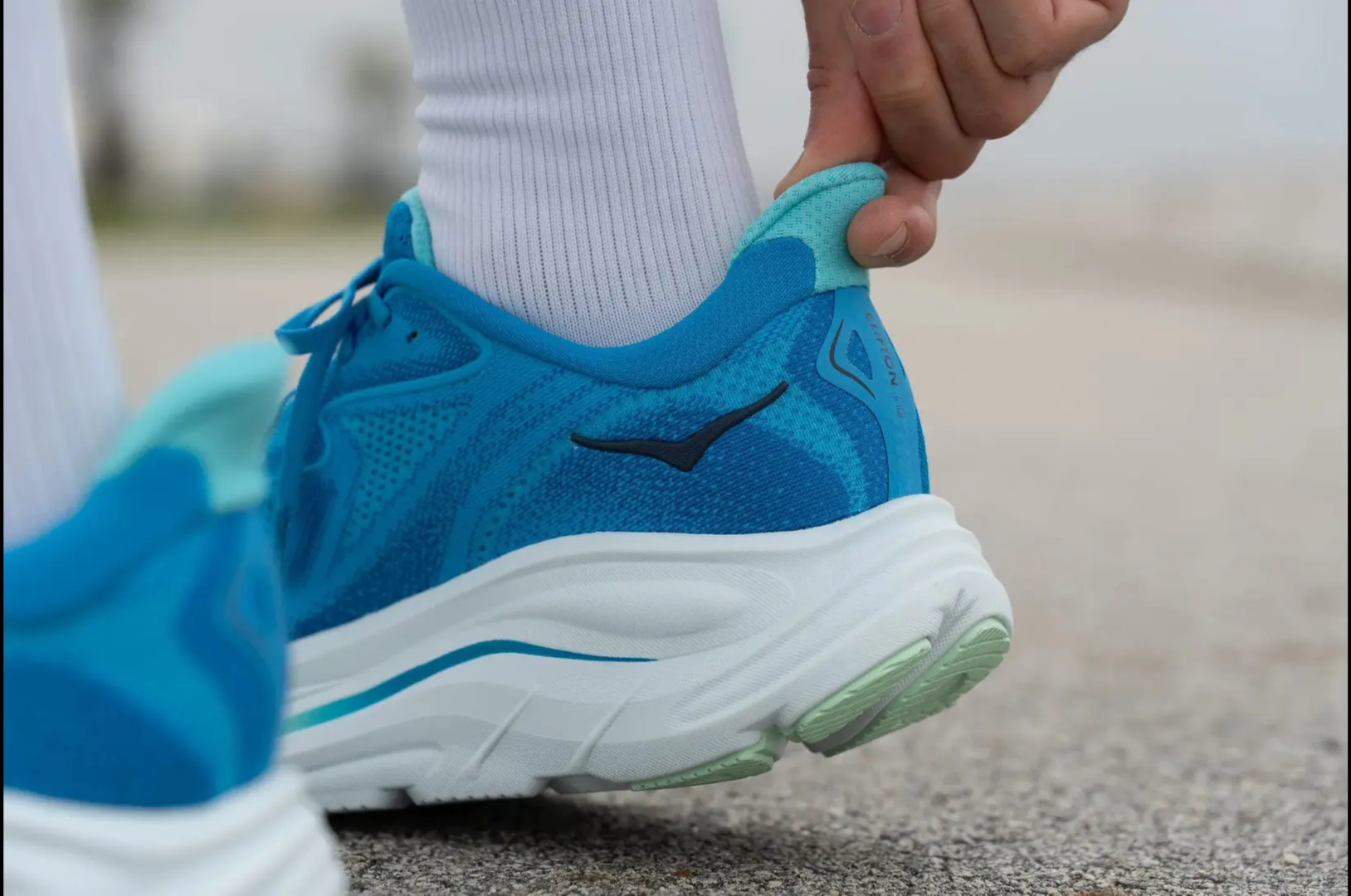
Heel Cup and Heel Counter: Features That Are Key to Comfort and Control
You may have heard us mention the heel cup in some of our shoe reviews. If you’re wondering what exactly that is, don’t worry — you’re not alone. Let’s break it down and see why it can make a big difference in how a shoe fits and feels.

We often think about the heel cup when our foot slips out, causing blisters or when we need to use a special lacing technique to “lock” the heel in place. But the heel cup and heel counter are more than just padding; they play a major role in the fit, comfort, and functionality of a shoe.
Every running shoe has its own version of a heel cup, and the design can vary quite a bit from brand to brand. Even though it’s an important feature, most brands haven’t given it a fancy name.
If you think about how your foot moves when you run or walk, it makes sense: if the shoe doesn’t properly hold your heel, your body will eventually let you know.
What is a Heel Cup?
Research has shown that heel cups can help reduce the impact your heel experiences with each step. Instead of pressure being concentrated in one small area, it is spread across a larger surface.
The heel cup is the back part of the shoe that “wraps” around your heel, including the heel counter. It’s designed to match the natural shape of your heel and keep your foot secure inside the shoe.
It shouldn’t feel too loose or too tight. When you wear your shoes, it should gently “cup” your heel and hold it in place.
This helps absorb some of the impact and makes the shoe more comfortable, especially over longer distances. If it’s not comfortable from the start, you’re likely to experience issues like slipping or blisters.

Heel Cup vs Heel Counter: Comfort vs Control
The key difference is:
- Heel cup → comfort and proper positioning
- Heel counter → control and stability
The heel cup is the concave area where your heel sits, helping with shock absorption and alignment.
The heel counter is a firmer, semi-rigid component (usually plastic) located at the back of the shoe. Its role is to:
- prevent heel slippage
- limit excessive movement (e.g., overpronation)
This is especially important in stability shoes. If the heel isn’t properly secured, the rest of the support features in the shoe won’t work as effectively.
However, if the heel counter is too stiff, it can cause discomfort, especially around the Achilles tendon.

How It Affects Performance
Yes, the heel cup matters.
Studies have shown that it is one of the most important features for reducing heel pressure. When it fits properly:
- it distributes load more evenly
- provides a more stable landing
- improves the feel of your stride
If it doesn’t fit well:
- you may feel unstable
- it may lead to pain or injury
Differences Between Men’s and Women’s Shoes

Women’s shoes are typically designed with:
- a narrower heel fit
- a more secure heel cup
This improves stability. If a woman wears men’s shoes, she may notice more heel movement due to the wider construction.
What About Heel Cup Inserts?

If you’re not satisfied with the fit:
- you can try inserts
- some improve fit
- others add cushioning
However:
- they won’t fix a poorly fitting shoe
- the best solution is to find a shoe that fits properly from the start
Conclusion
The heel cup may seem like a small detail, but it has a big impact on:
- comfort
- stability
- performance
Ideally, you want a shoe that fits “like a glove” — without needing adjustments.